THE VERBPATH JOURNAL
Clear answers for important paperwork.
Practical guides to certified translations, preparing your documents, and understanding what a receiving organization may ask for.
3 practical guides
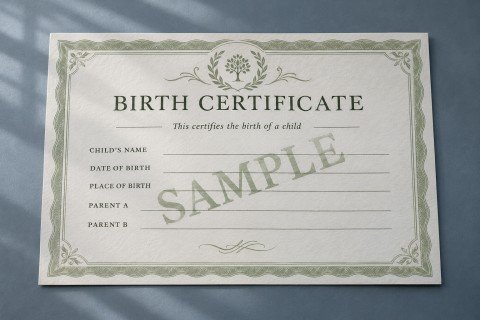
DOCUMENT PREPARATION
How to prepare a document for certified translation
A clear scan and a few careful checks help confirm the scope before your translation begins.
HELPFUL BY DESIGN
Guides for your next step.

How to prepare a document for certified translation
Checks for clear scans, names, stamps, and every page you need translated.
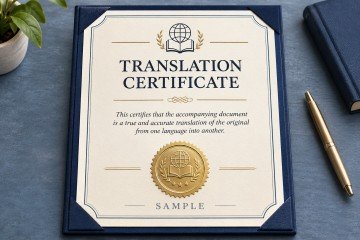
Certified translation and notarisation: what each one does
Understand the difference before adding a service or sending documents.

Before you submit: a translated-document checklist
What to confirm with the receiving organization so you can request the right format.
No guides match that search. Try another term or choose “All guides.”
How to prepare a document for certified translation
Send a complete, readable copy and tell us where you plan to use it. Those details help confirm what the project includes before work starts.
Use this upload checklist
- Include each page with text, stamps, handwritten notes, or details the recipient may need.
- Make sure the whole page is visible; avoid glare, blur, shadows, and cut-off edges.
- Check names, dates, registration numbers, and locations are readable.
- Upload both sides if there is relevant information on the back.
- Include seals and marginal notes on birth, marriage, and death certificates.
Tell us where it will be used
Requirements can differ by receiving office, application, and destination. Add the organization’s name, country of use, instructions you received, and your deadline to the project notes. If you are unsure whether another step is required, check with the organization before ordering.
Identity documents can contain sensitive details. Upload only the files needed for your translation.
Certified translation and notarisation: what each one does
A certified translation comes with the translator’s certification about the translation. Notarisation is a separate notarial act connected to a signer’s identity or signature; it does not itself certify translation accuracy.
What certification covers
For USCIS submissions, the rule calls for a full English translation certified as complete and accurate, plus the translator’s certification of competence in the language pair. See 8 CFR § 103.2(b)(3). Other organizations may have their own instructions.
What notarisation covers
When a recipient asks for notarisation of the translator’s signature, the notarial act concerns that signer or signature under applicable state rules. It is not a review of whether the translation is correct. See the National Notary Association’s guide to identity checks and notarisation requirements.
Notarisation is different from an apostille, sworn translation, or legalization. Confirm the exact requirement with the receiving authority before ordering.
Before you submit: a translated-document checklist
Compare your finished package with the receiving organization’s current instructions before sending it with an application.
- Confirm the destination. Check the correct agency, office, school, or employer and application type.
- Read the translation instructions. Look for requirements about language, certification wording, signatures, notarisation, copies, or additional authentication.
- Match source and translation. Make sure each page needing translation is included and personal names and dates are legible.
- Check the certificate. Confirm the file includes the certification details requested by the recipient.
- Keep a copy. Save the final translation and source files for your records.
There is no universal acceptance guarantee: the receiving organization decides whether a submission meets its rules. If instructions are unclear, contact that office. VerbPath can review the instructions you provide and confirm available service details before translation begins.
These guides are general information, not legal advice. Requirements can change and vary by destination and receiving organization. Follow the current instructions for your specific application.